Wheaton |
St. Charles |
Sycamore
 630-665-7300



- Home
- Our Firm
- Our Team
- George S. Frederick
- Lynn M. Mirabella
- Henry D. Kass
- Lindsay C. Stella
- Joshua D. Bedwell
- Stacey A. McCullough
- John W. Demling
- Megan C. Harris
- Kira N. Albrecht
- Jacqueline M. Mazur
- Bradley P. Erdman
- Catherine D. Sheehan
- Michael J. Rutcosky
- Jessica L. McGary
- Chad A. Baker
- Naseem N. Hosseini
- Lacey K. Boulware
- Lindsey G. Mirabella
- Amanda J. Werve
- Jordan E. Jenquin
- Matthew P. Karstens
- Maxwell J. Sharkey
- Joseph Mirabella
- John Kincaid
- Practice Areas
- Testimonials
- Media
- Blog
- Contact Us
Lombard, Illinois Divorce Lawyers

This firm has supported me through very difficult family circumstances...
I would highly recommend this firm to anyone in need of support with family law."
Why Clients Trust Us
- Our firm has a 75-year history of excellence
- Our attorneys have over 200 years of combined legal experience
- We have been recognized by Super Lawyers, Elite Lawyer, Best Lawyers, and Avvo
- We have received 200+ 5-star reviews from clients









Attorneys Helping Clients Complete the Divorce Process in Lombard
Attorney Spotlight

Lynn M. Mirabella
- America's Most Honored Lawyers, The American Registry, 2021
- Best Lawyers in America, 2019-Present
- Collaborative Divorce Illinois (CDI), Member, 2025-Present
- Daily Herald 2022 Influential Women in Business
- Divorce and Family Mediation Training, 2012
- DuPage Association of Women's Lawyers, Inspirational Woman of the Year 2015
- Elite Lawyer, 2020-Present
- Fundamentals of Parenting Coordination Online Training, AFCC, 2024
- Illinois Super Lawyers Top 50 Women, 2021
- Justinian Legal Society, President, 2007-Present
- Leading Lawyers, 2015-Present
- Named Distinguished Alumni of St. Francis High School, 2014
- Pro Bono Service Award DuPage Legal Assistance Foundation, 2009, 2010
- Super Lawyers, 2012-Present
- Top Attorneys In Illinois, Chicago Magazine, 2012-Present
- Top Women Attorneys In Illinois, Chicago Magazine, 2013-Present
- Top Women Lawyers – Daily Herald Business Ledger, 2022
Contact Us Today
Billing and Fee Structures
We work to ensure that our fees are reasonable and affordable for all of our clients. To discuss our fee structures and learn about payment options, contact us at 630-665-7300.
Ending a marriage is rarely a simple process. When getting a divorce, you may experience upheaval in your life as you establish new living arrangements and sort out your finances. You may face emotional difficulties as you deal with the fallout of the end of your marriage and make decisions about the custody of your children. Regardless of whether your divorce is contested or not, you and your spouse will need to address multiple types of legal issues. Determining what approach to take is not always easy, but with legal help from a skilled lawyer, you can take the necessary steps to achieve your goals.
At Mirabella, Kincaid, Frederick & Mirabella, LLC, our Lombard divorce lawyers can advise you of your rights and advocate for your interests during negotiations or court proceedings. We will work to help you achieve the outcome you are looking for so that you can put your divorce behind you and achieve success in the future. Whether your case involves complex financial matters, custody disputes, or other factors, we will provide you with the strategic advocacy you need to protect your rights.
Filing a Divorce Petition
Divorce proceedings begin when one party (the petitioner) files a Petition for Dissolution of Marriage. If you are the petitioner, you may file your petition in the county where you or your spouse are currently living. The petition will state the grounds for divorce, which will be "irreconcilable differences," the only grounds recognized in Illinois. It will also include the petitioner's requests for relief, which will ask the court to make temporary decisions related to issues such as property division, alimony, or child custody.
If your spouse filed the petition for divorce, you are the respondent, and you will be served with the petition. You will be required to file a response, and you have the option of filing your own counter-petition as well.
The Discovery Process
After filing and responding to the divorce petition, the divorce will enter the discovery phase. This is a crucial part of the divorce process in which each side will gather financial and personal information relevant to the case. Discovery may involve:
- Interrogatories: These take the form of questions that one party's attorney may send to the other party.
- Requests for Production: The parties may ask each other to turn over documents such as tax returns or bank statements.
- Depositions: One or both parties may provide testimony under oath, discussing the issues involved in the divorce.
- Subpoenas: Attorneys may submit court orders to obtain records from third parties.
Discovery ensures that each party has a full understanding of the marital estate and other key facts. The information obtained will play a role in the decisions made about divorce-related issues.
Settlement vs. Litigation
Most divorces are resolved through negotiated settlements. You and your spouse will work to craft agreements with the assistance of your attorneys, addressing all outstanding issues, including property division, child-related matters, and financial support. A settlement can be reached at any point during the process, and once it is finalized, it can be filed in court to complete an uncontested divorce.
If you and your spouse cannot agree on one or more issues, your case may proceed to litigation. If a trial is held, a judge will hear evidence and testimony before issuing decisions on all unresolved matters. Litigation can be time-consuming and costly, and in many cases, you will be encouraged to resolve issues rather than proceeding to trial. However, a trial may be necessary if your divorce involves a high level of conflict or when significant assets are at stake.
Alternative Dispute Resolution
If you are looking for less adversarial methods to resolve the issues in your divorce, alternative dispute resolution (ADR) may be used to reach agreements. The options available may include:
- Collaborative Divorce: This method involves the negotiation of a divorce settlement, but you, your spouse, and your respective attorneys will sign an agreement in which you commit to discussing your issues, providing any information that is requested, and working to reach agreements without the need for court involvement. If the process breaks down, the attorneys must withdraw from the case, and you and your spouse may proceed with litigation after you each find new attorneys to represent you.
- Mediation: You and your spouse may work together with a mediator to reach voluntary agreements on the outstanding issues in your case. During this process, open communication will be encouraged, and you will need to agree on all terms of your divorce settlement. This can give you more control over the outcome of your case while helping to promote cooperation going forward.
Division of Marital Property
As you proceed with your divorce, you and your spouse will need to determine how your marital property will be divided. All assets and debts that were acquired by either party while you were married will be considered marital property. While you will not be required to divide property equally, the final decisions should be fair to both parties.
As you proceed with the property division process, you may need to address assets such as:
- Your family home or other real estate property
- Family businesses or other business interests owned by either spouse
- Vehicles
- Personal belongings, including home furnishings and valuable items such as jewelry or collectibles
- Retirement accounts or pension benefits
Our attorneys can help you negotiate a settlement that will protect your financial interests and meet your needs. We can advise you on tax-related issues, complex financial matters involving investments, or how to address concerns about hidden assets or asset dissipation.
Spousal Maintenance (Alimony)
In some cases, one spouse may be entitled to financial support. Spousal support is meant to help a spouse who earns a lower income than their former partner address their financial needs and avoid a reduction in their standard of living. If there is a large difference between the income you earn and the income your spouse earns, or if one of you has been a stay-at-home parent, spousal maintenance may be awarded. Our lawyers can advise you on the factors that may be considered when determining whether spousal support is appropriate, and we will make sure any support awards are calculated correctly based on the guidelines in Illinois law.

Legal Representation in DuPage County
Lombard divorce cases will be handled at the DuPage County Courthouse, located at:
- 505 N County Farm Rd., Wheaton, IL 60187
Our attorneys serve clients in DuPage County from our Wheaton office, which is located at:
- 1737 South Naperville Road, Suite 100, Wheaton, IL 60189
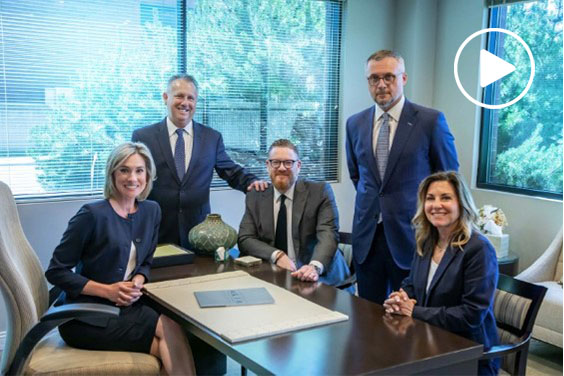
If I Leave My Spouse and Move Out of Our Marital Home, Will I be Accused of Abandoning the Marriage?
What Our Clients Say About Our Family Law Services
- "I'm honestly blown away by the incredible work Ms. Mirabella did as my family law attorney. This wasn't just a legal process, it was a life lesson. Her professionalism, determination, strength, and sharp instincts were impressive, but what stood out the most was she is not just a brilliant attorney, but a fierce, compassionate human being who gave me hope when I felt everything was falling apart."
- "I am incredibly grateful to have had Ms. Mirabella as my Family Law attorney during one of the most challenging times in my life. Her exceptional level of care and kindness truly set her apart."
- "Ms. Mirabella was awesome to work with. She guided me throughout my whole divorce process. She was very professional and always responsive to any questions that I had. I am very grateful for everything that she did for my kids and I."
Child Custody and Child Support
If you have children, you will need to make decisions about child custody during your divorce. Custody is generally broken down into two categories:
- Decision-Making Responsibility: This addresses the right to make major decisions about education, religion, health care, and extracurricular activities. You may be able to share some or all of these responsibilities with the other parent, or one parent may be granted the authority to make certain types of decisions on their own.
- Parenting Time: A schedule will be created that states when each parent will spend time with the children. This schedule should give both parents a reasonable amount of time with the children unless children could be at risk of physical harm or emotional trauma when they are in the care of one parent.
Our attorneys will work with you to establish a parenting plan that fully details all decisions related to child custody. Our goal is to help you put solutions in place that will provide for your children's best interests. We can also help you put child support arrangements in place, ensuring that the financial obligations that will apply to each parent are based on the guidelines used in Illinois law.
Community Involvement
Our team works to give back to our community whenever possible. Our community involvement includes:
- Sponsoring and participating in food drives, clothing donation drives, and many other charitable events through Lawyers Lending a Hand and other charities and organizations.
- Providing financial assistance to our clients' family members through our Giving Back for College Reimbursement Program.
- Providing financial aid to students with divorced parents through our Resilient Student Scholarship.
Lombard Divorce FAQs
Yes. Legal separation allows spouses to live apart without legally dissolving their marriage. They will create a separation agreement that addresses issues such as child custody, property division, and spousal support. Legal separation may be a preferable option for those who have religious or personal objections to divorce or who want to maintain some of the benefits of marriage.
No. Either spouse can initiate a divorce by filing a Petition for Dissolution of Marriage. If one spouse disagrees that a marriage has broken down due to irreconcilable differences, a six-month waiting period in which the spouses live "separate and apart" will create a presumption of irreconcilable differences. This will allow the divorce to proceed even if one spouse objects.
No. An attorney may only represent one party in a divorce. This will ensure that there are no conflicts of interest. If necessary, an attorney can represent one spouse, and the other spouse can represent themselves. However, this is not recommended. Each spouse should have their own attorney to ensure that their rights and interests will be protected.
You may be able to resolve all outstanding issues outside of court by negotiating a settlement with your spouse. However, you will have to attend a court hearing where your settlement will be submitted and your divorce will be finalized. If any disagreements arise during your case, court hearings may be necessary to address these issues and determine how certain matters will be handled while the divorce process is ongoing. Your attorney can advise you on when court appearances may be required.
Contact Our Lombard, IL Divorce Attorneys
As you proceed with your divorce, it is important to have a knowledgeable legal advocate at your side. At Mirabella, Kincaid, Frederick & Mirabella, LLC, we can assist with every stage of the divorce process, from filing the initial petition to negotiating parenting arrangements and dividing marital assets. Contact our Lombard dissolution of marriage lawyers at 630-665-7300 to set up a consultation and learn how we can assist you during this critical time.
 Read More
Serving DuPage, Kane, Kendall, Will, Cook, and Lake Counties Since 1949
For guidance with your case, contact our attorneys at 630-665-7300. We will answer your questions, explain the process relevant to your case, and advise how best to proceed. Our firm has locations in Wheaton and St. Charles, Illinois, and we work with clients throughout the Chicagoland area, including, DuPage, Kane, Kendall and Will Counties.
Looking for something specific?
Search our site here.


From our law offices in Wheaton, St. Charles, and Sycamore, the family law and civil litigation law attorneys of Mirabella, Kincaid, Frederick & Mirabella, LLC represent businesses and individual clients throughout the western suburbs of Chicago, including Wheaton, Naperville, Oak Brook, Oakbrook Terrace, Glen Ellyn, Carol Stream, Lombard, Downers Grove, Burr Ridge, Hinsdale, Lisle, Elmhurst, Winfield, Woodridge, Warrenville, and throughout DuPage County. We also serve clients in Will County, Kendall County, DeKalb County, and Kane County, including St. Charles, Sugar Grove, Geneva, DeKalb, Batavia, Aurora, North Aurora, Elgin, Algonquin, Barrington Hills, Bartlett, Big Rock, Burlington, Campton Hills, Carpentersville, West Dundee, East Dundee, Elburn, Hampshire, Huntley, Kaneville, Maple Park, Sleepy Hollow, and Wayne.
Results listed are not a guarantee or indication of future case results.
1737 South Naperville Road, Suite 100, Wheaton, IL 60189
630-665-7300